
20Nov
DOES DARK WINDOW TINT AFFECT DRIVING SAFETY?
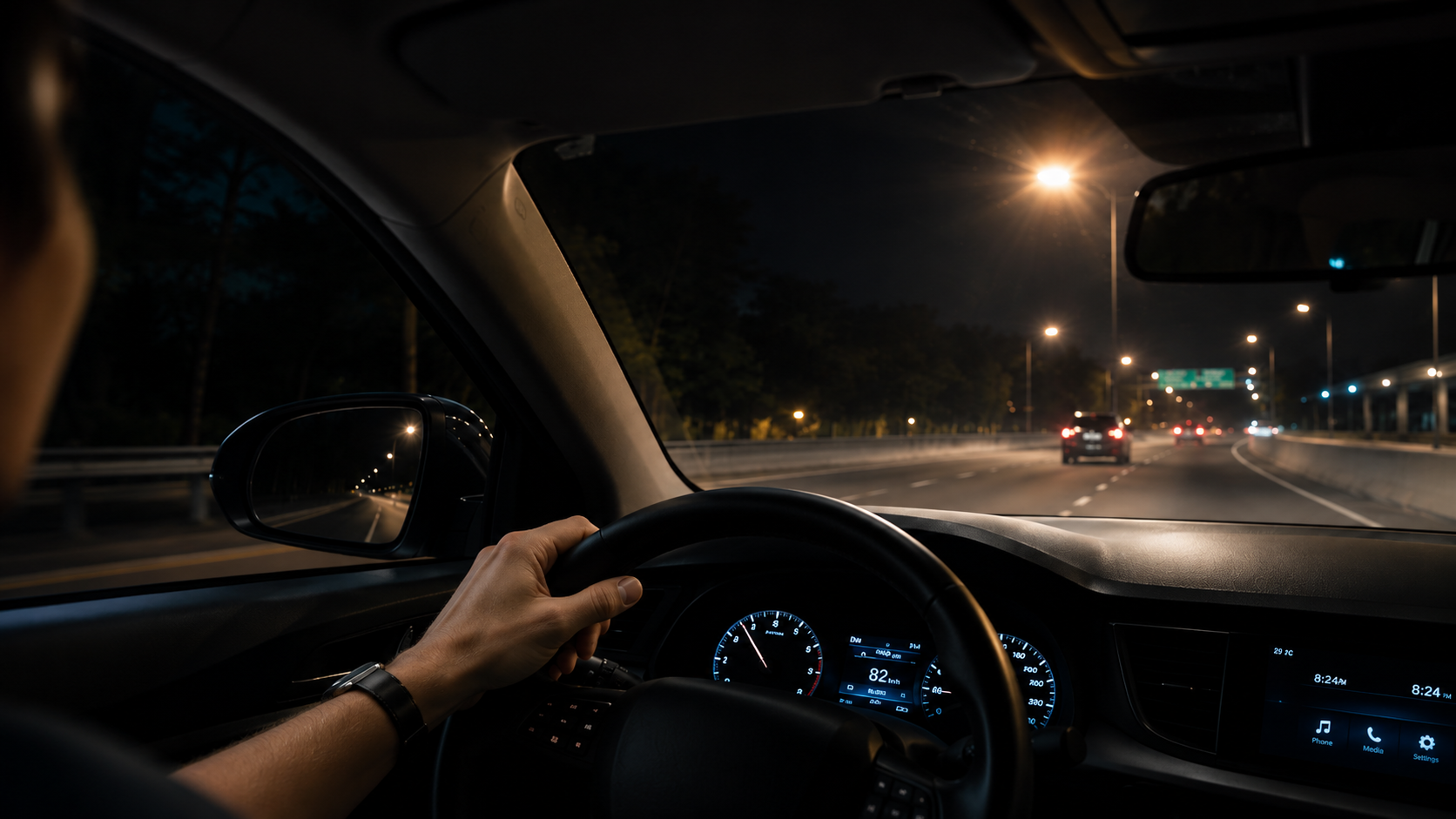
Dark window tint is a popular choice among Malaysian car owners seeking greater privacy, reduced glare, and improved driving comfort. However, excessively dark tint may affect visibility, particularly during nighttime driving and adverse weather conditions.
Understanding how window tint darkness influences driving safety is essential when selecting the right automotive window film.
How Does Dark Tint Affect Visibility?
Window tint darkness is measured by Visible Light Transmission (VLT), which indicates the percentage of visible light passing through the glass.
A lower VLT percentage means darker windows and less light entering the vehicle.
While darker tint can reduce brightness and glare, it may also make it more difficult to identify pedestrians, vehicles, and road hazards in low-light conditions.
Is Dark Tint Safe for Night Driving?
Nighttime driving requires sufficient visibility to identify surrounding vehicles, road markings, and potential hazards.
Excessively dark window tint may create several challenges:
-
Reduced Visibility: Darker windows limit the amount of available light entering the vehicle.
-
Side Mirror Visibility: Dark front side windows can make checking mirrors more difficult in poorly lit areas.
-
Parking and Reversing: Low-light conditions may make obstacles and surrounding objects harder to identify.
These effects can become more noticeable on poorly lit roads and during heavy rainfall, particularly at night.
Does Darker Tint Provide Better Heat Rejection?
Darker window tint does not necessarily provide superior heat rejection.
Heat rejection depends on the film's technology and performance specifications, including Infrared Rejection (IRR) and Total Solar Energy Rejection (TSER).
A lighter, high-performance window film may provide effective solar heat reduction while maintaining better visible light transmission.
Therefore, tint darkness should not be the only factor when evaluating window film performance.
Understanding Malaysia's JPJ Tint Regulations
Malaysia's Road Transport Department (JPJ) establishes Visible Light Transmission requirements to maintain appropriate driving visibility.
For ordinary private passenger vehicles, the standard requirements are:
-
Front Windscreen: Minimum 70% VLT
-
Front Side Windows: Minimum 50% VLT
-
Rear Side Windows: No minimum VLT restriction
-
Rear Windscreen: No minimum VLT restriction
The rear-window allowance is subject to applicable conditions, including rear-view mirror requirements.
Compliance is determined by the combined VLT of the original glass and installed window film.
How to Choose the Right Window Tint
Selecting suitable window tint requires balancing driving comfort, visibility, and legal compliance.
Vehicle owners should consider:
-
VLT: Ensure sufficient visibility for daytime and nighttime driving.
-
Heat Rejection: Evaluate IRR and TSER specifications rather than tint darkness alone.
-
Optical Clarity: Choose films that minimise haze and visual distortion.
-
JPJ Compliance: Confirm that the final installed VLT meets applicable regulations.
Conclusion
Dark window tint can improve privacy and reduce glare, but excessively low VLT may compromise driving visibility, particularly at night or during heavy rain.
Choosing the right window film requires balancing heat rejection, optical clarity, and driving safety.
At ALVA Concept Store, we offer professional automotive tinting solutions to suit different driving needs and preferences.
Explore our window tinting solutions and find the right balance of comfort, visibility, and protection for your vehicle.
Website: https://www.alva.com.my/
Recent Post
15 Nov 2026
12 Nov 2026
10 Nov 2026
08 Nov 2026
