
08Nov
WHY IS YOUR CAR STILL HOT WITH WINDOW TINT?
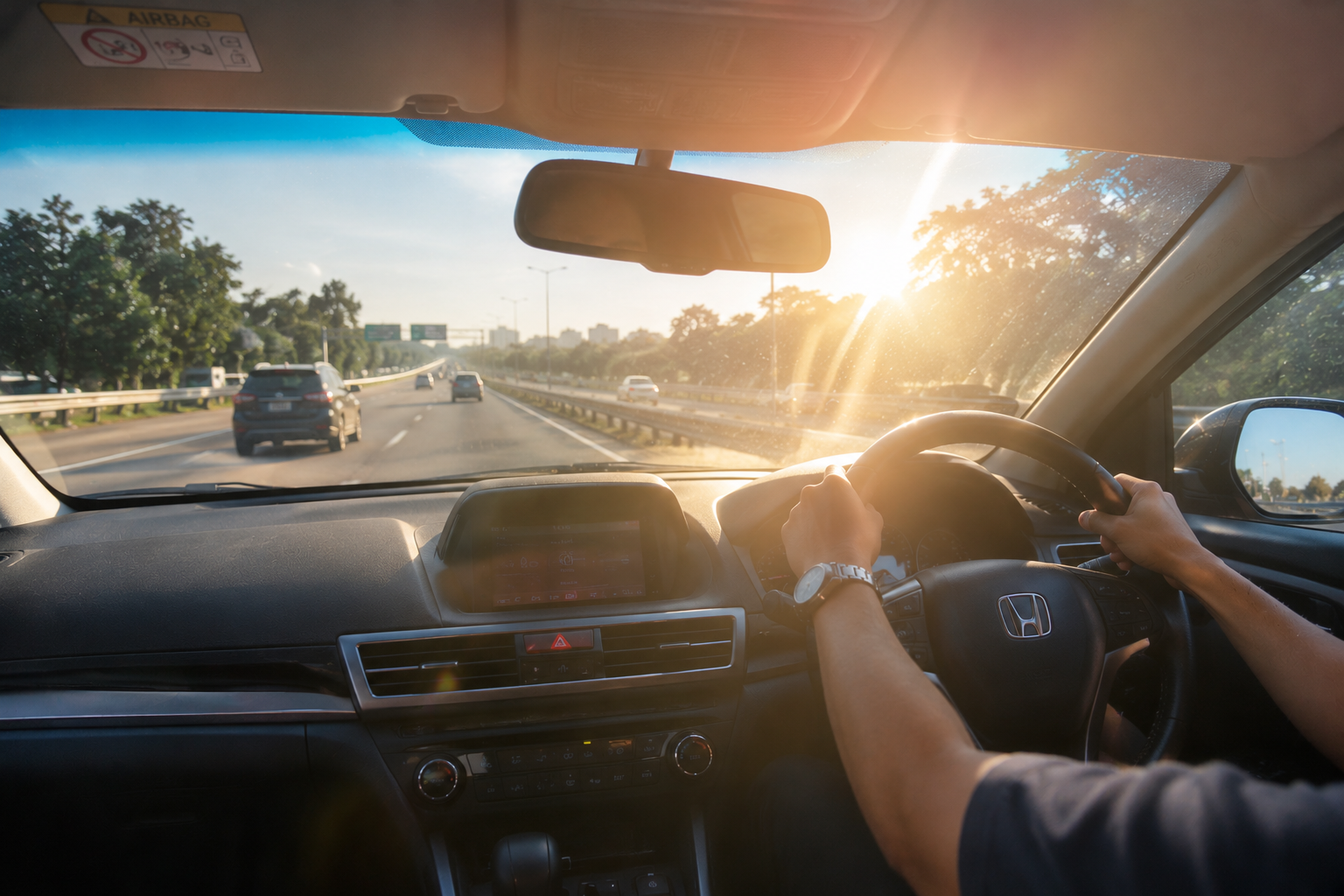
Window tinting is designed to reduce solar heat entering a vehicle and improve driving comfort. However, some Malaysian drivers still experience excessive cabin heat despite having tinted windows.
This can be influenced by several factors, including window film performance, sunlight exposure, and vehicle conditions.
Understanding Window Tint Performance
Not all automotive window films provide the same level of heat rejection. Some primarily reduce visible light and glare, while others are designed to reject more solar energy.
Three key specifications help determine window tint performance:
-
IRR (Infrared Rejection): Measures infrared rejection within a specified wavelength range.
-
TSER (Total Solar Energy Rejection): Indicates the percentage of total solar energy rejected by the glass and film combination.
-
VLT (Visible Light Transmission): Measures how much visible light passes through the glass.
A darker tint does not necessarily provide better heat rejection. Film technology and technical specifications are more important than appearance alone.
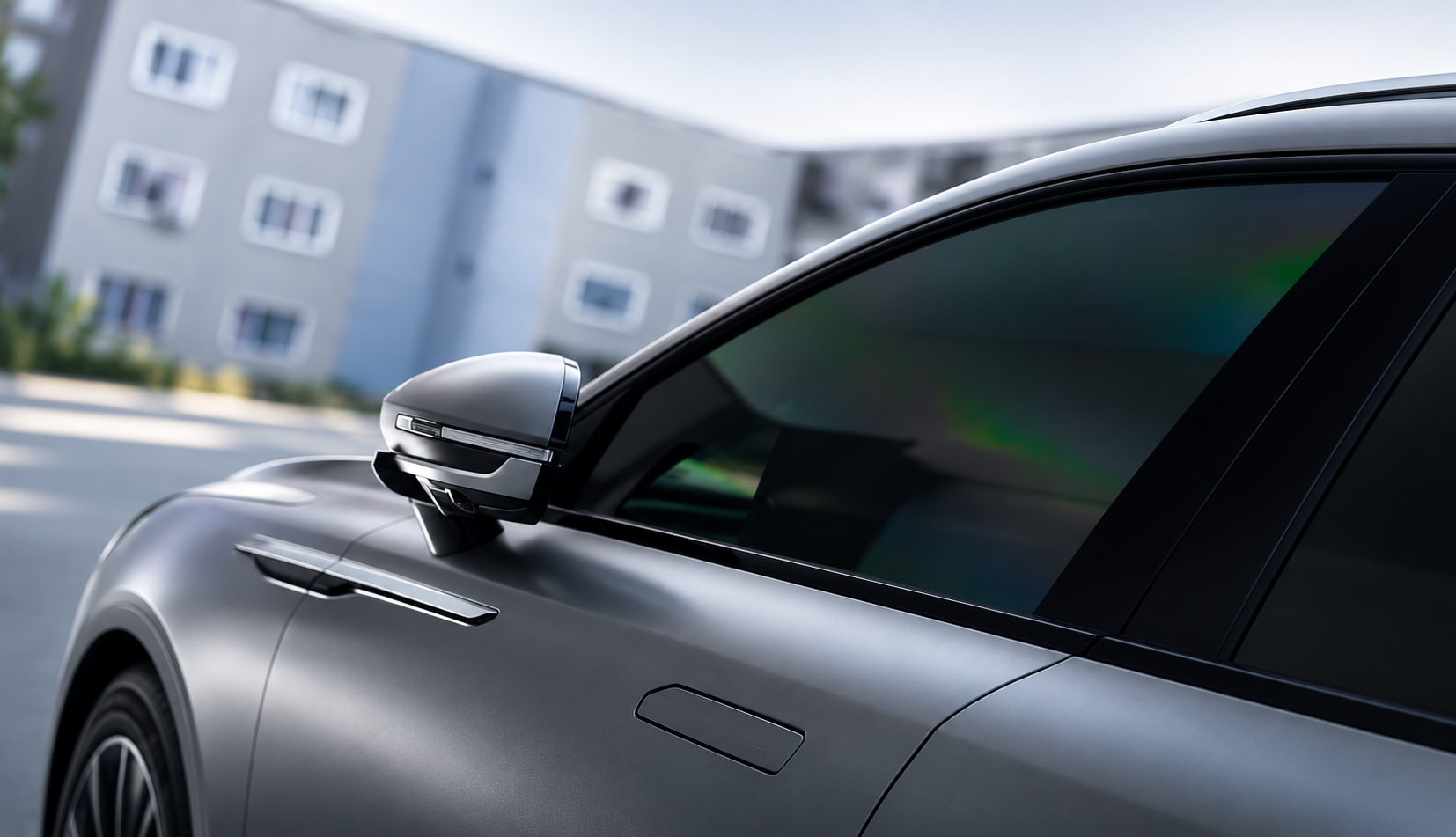
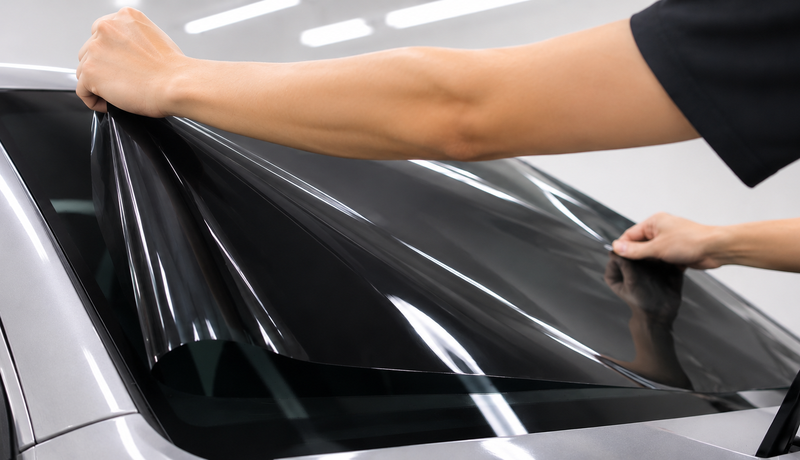
Tinted car window reflecting sunlight, illustrating automotive window film appearance.
How Sun Exposure Affects Cabin Temperature
Malaysia's tropical climate exposes vehicles to significant solar heat throughout the year.
Even with suitable window tint, prolonged parking under direct sunlight can cause heat to accumulate inside the cabin. Heat can also enter through the vehicle's roof and body panels.
While window tint helps reduce solar heat transmission through the glass, it cannot completely prevent a parked vehicle from heating up.
Signs Your Window Tint May Need Inspection
Over time, window films may develop visible signs of deterioration, including:
-
Bubbling or peeling
-
Discolouration or fading
-
Reduced optical clarity
-
Visible film damage
These issues may indicate the need for professional inspection, although they do not necessarily mean that heat rejection performance has declined.
How to Improve Driving Comfort
To improve your vehicle's heat protection, consider the following:
-
Review Tint Specifications: Check IRR and TSER ratings to understand heat rejection performance.
-
Inspect Existing Tint: Assess the film's condition and seek professional advice if necessary.
-
Reduce Sun Exposure: Park in shaded areas or use a suitable windscreen sunshade.
-
Maintain Air Conditioning: Ensure the vehicle's cooling system operates efficiently.
-
Choose Suitable Window Film: Consider heat rejection, visibility, and compliance with applicable JPJ regulations.
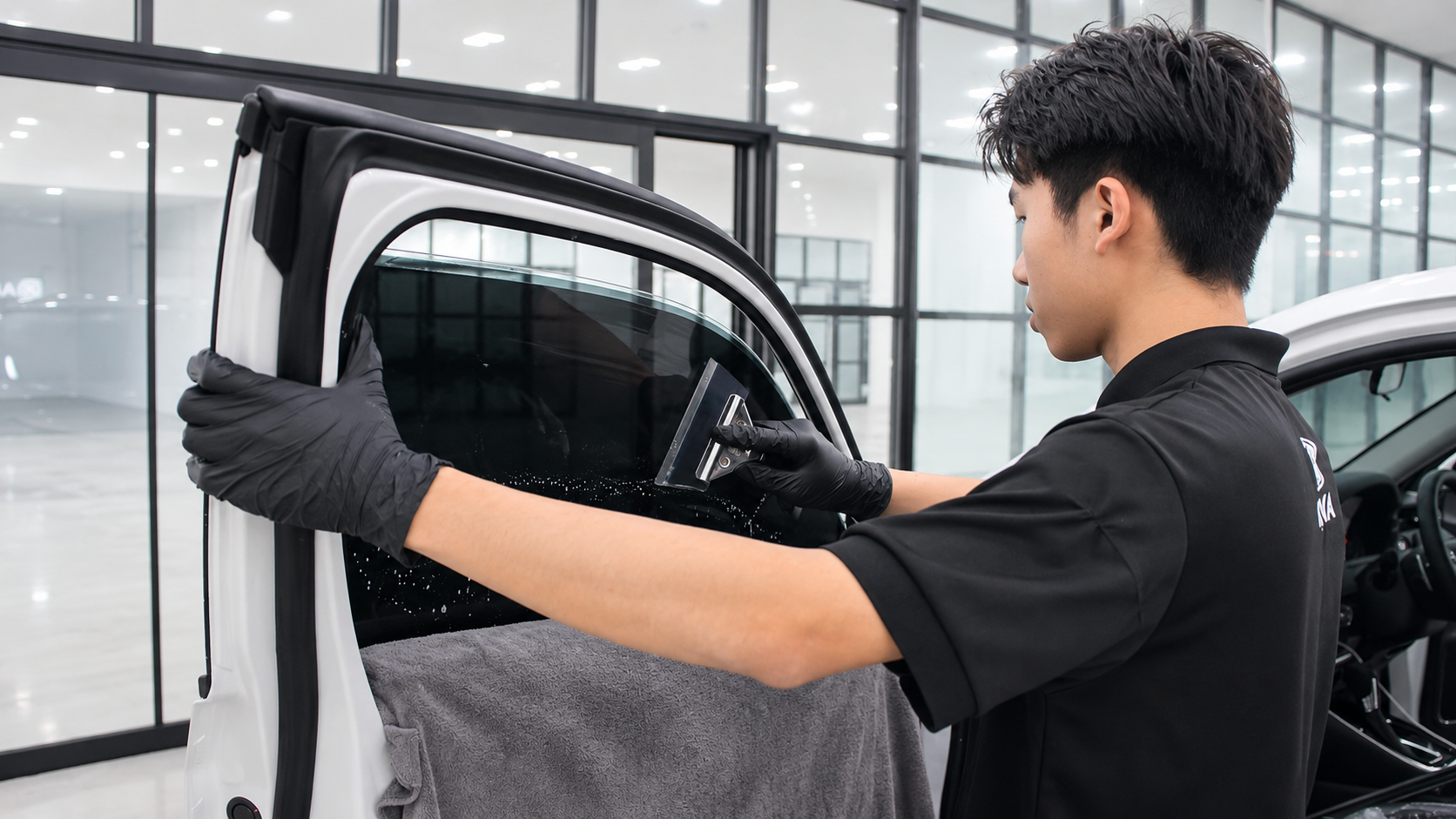
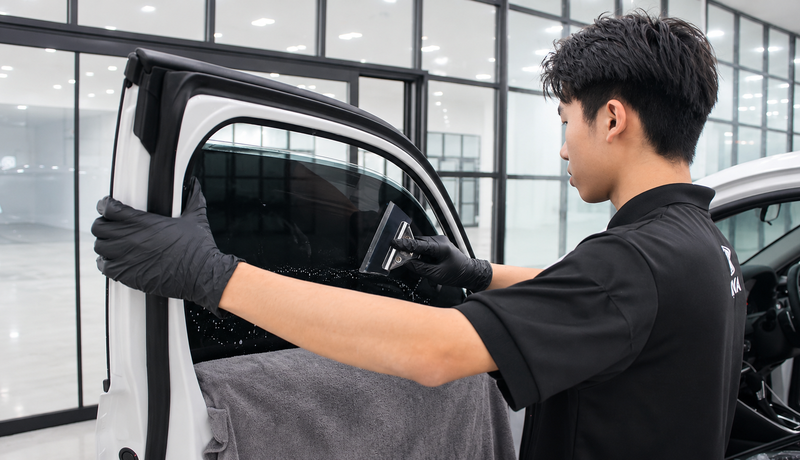
Professional technician installing automotive window tint in a workshop.
Conclusion
A vehicle that remains hot despite having window tint does not necessarily indicate poor film quality. Heat rejection performance, environmental exposure, and vehicle conditions all influence cabin temperature.
Understanding these factors helps vehicle owners make informed decisions when evaluating or upgrading their window tint.
At ALVA Concept Store, we offer professional automotive tinting solutions designed to accommodate different driving needs and preferences.
Explore ALVA Concept Store automotive window tinting solutions for improved driving comfort.
Recent Post
15 Nov 2026
12 Nov 2026
10 Nov 2026
05 Nov 2026
