12Mar
CHOOSING THE RIGHT CAR TINT: WHY NANO CERAMC LEADS THE WAY
Choosing the right car window tint is more important than most drivers realize. A good window tint does more than improve the appearance of your car — it also helps protect you from heat, harmful UV rays, and glare, while enhancing overall driving comfort.
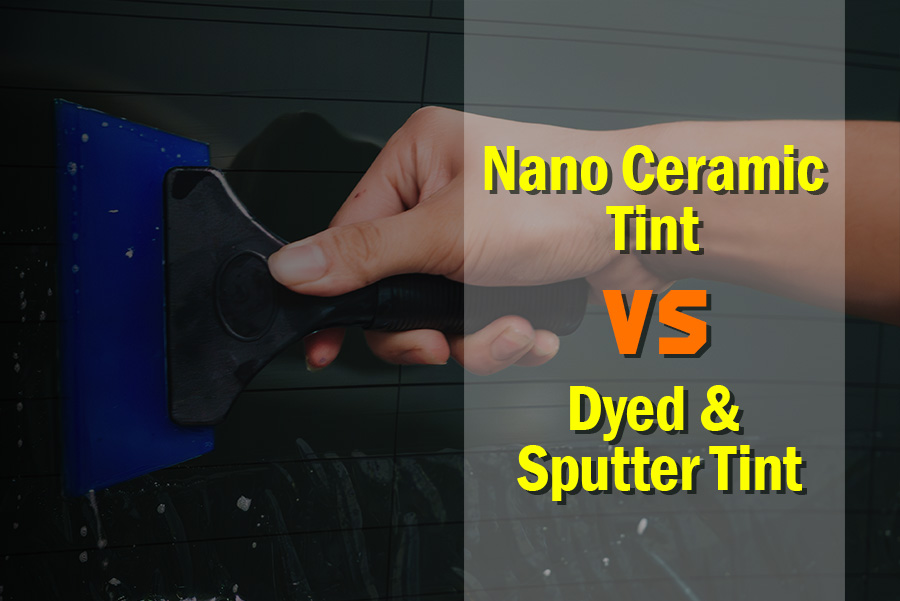
Today, several types of window tint technologies are available on the market. The most common options are Dyed Tint, Sputter Tint, and Nano Ceramic Tint. Each type has its own characteristics, but they differ significantly in terms of performance, durability, and overall effectiveness.
Understanding these differences can help you choose the best tint for your vehicle.
1. Dyed Tint (Basic Entry-Level Option)
Dyed tint is one of the most common and affordable window tint options. It uses a layer of dye within the film to darken the glass and reduce glare. While it provides a basic level of shading and privacy, its performance is relatively limited compared to modern tint technologies.
Limitations:
• Limited heat rejection - Dyed films mainly absorb heat rather than block it, so the car interior can still become very hot under strong sunlight.
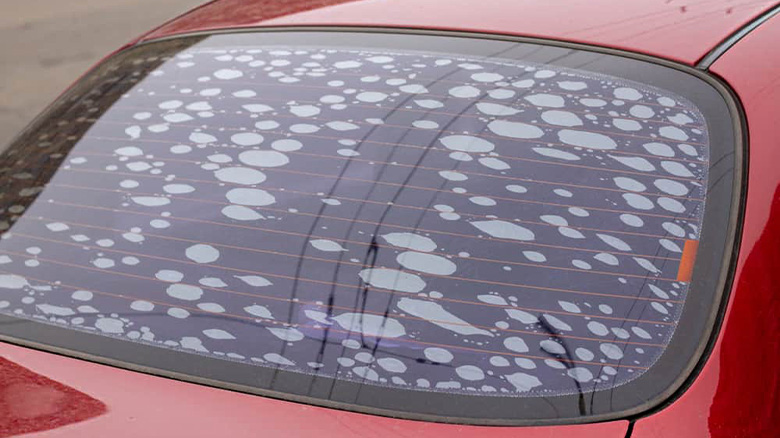
• Fading over time - Prolonged sun exposure can cause the film to fade or turn purple, making the windows look old and uneven.
• Shorter lifespan - Dyed tint typically wears out faster and may need replacement sooner than advanced tint technologies.
• Lower durability - The dye layer can gradually break down due to constant heat and UV exposure.
Because of these limitations, dyed tint is often chosen as a budget-friendly option mainly for appearance and basic shading, rather than long-term performance.
2. Sputter Tint (Metal-Based Heat Rejection)
Sputter tint is a more advanced type of window film that contains microscopic metal particles embedded within the tint layer. These metallic particles help reflect solar heat away from the vehicle, providing better heat rejection compared to basic dyed films. Besides, it also has strong durability and longer lifespan compare with dyed tint. However, because sputter tint contains metallic materials, it can sometimes interfere with electronic signals.
Limitations:
In Malaysia, this may affect devices such as:
• Smart Tag when passing toll booths
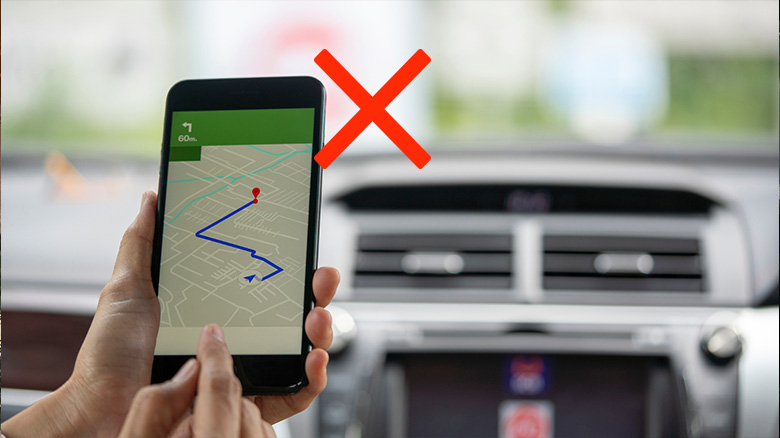
• GPS navigation systems
• Mobile phone signal
• Radio reception
The metallic layer can block or weaken the infrared signal used by Smart Tag, which may cause the toll reader to fail to detect the device properly. This can result in inconvenience when passing through toll lanes.
As modern vehicles rely more on electronic connectivity and wireless systems, this limitation makes sputter tint less ideal for drivers who frequently use Smart Tag or other electronic devices in their vehicles.
3. Nano Ceramic Tint (Premium Technology)
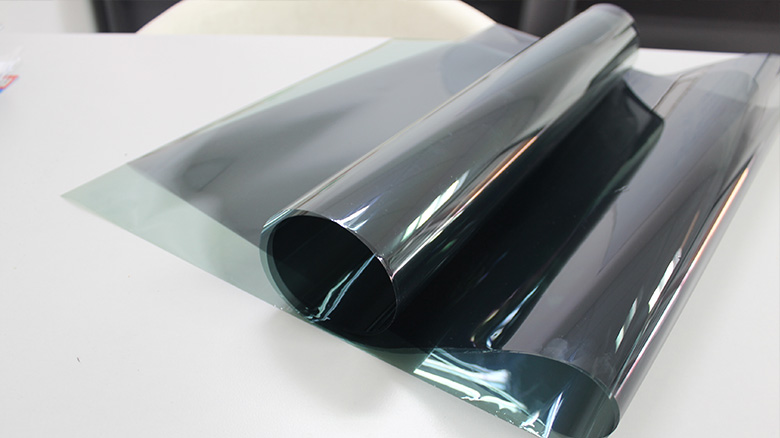
Nano ceramic tint represents the latest generation of window film technology. Instead of dyes or metal, it uses non-metallic ceramic nanoparticles to block heat and harmful UV rays.
Key Features:
• Excellent heat rejection performance
• Blocks up to 99% of harmful UV rays
• No signal interference with GPS, Smart Tag, or mobile devices
• Maintains clear visibility both day and night
• Highly durable and does not fade over time
Unlike dyed films that absorb heat or metallic films that reflect it, nano ceramic films filter and block infrared heat efficiently, making the car interior significantly cooler.
CONCLUSION
While dyed and sputter tints offer certain benefits, nano ceramic tint clearly stands out in terms of technology, performance, and long-term value. Nano ceramic tint offers the best combination of heat protection, clarity, durability, and signal compatibility.
For drivers looking for maximum comfort, superior heat protection, and long-lasting performance, nano ceramic tint is undoubtedly the best choice for modern vehicles.
Recent Post
12 Feb 2026
11 Jun 2024